
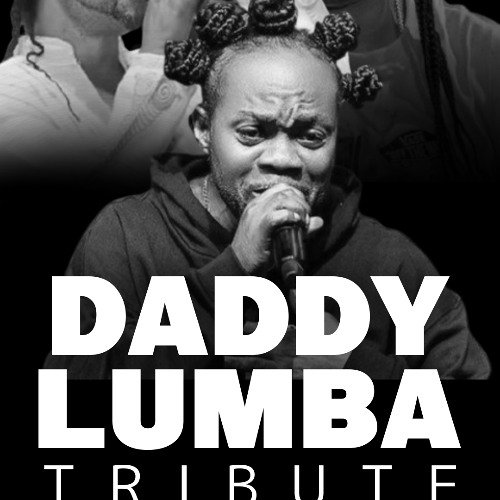
Tribute to Daddy Lumba, the Voice That Carried Ghana’s Soul
The heartbreak remains fresh, the tears continue to flow, and the tributes pour in from every corner of the globe. Even a week after the devastating news, Ghanaians everywhere are still grappling with the loss of a national treasure—Charles Kwadwo Fosu, affectionately known as Daddy Lumba.
His passing has left behind not just silence, but an echoing void in the hearts of a nation. From the dusty streets of Nsuta to the freezing winds of Cologne, Germany, Daddy Lumba was more than just a musician. He was the soundtrack of our lives. His lyrics were not just entertainment—they were our collective story, written in melody.
As a young immigrant in Germany, Daddy Lumba’s journey mirrored that of many Ghanaians. He carried our struggles, dreams, and triumphs in his voice. He sang not only about love and pain but about the Ghanaian experience in its rawest form. Every song was a mirror held up to our souls.
In “Akwanoma”, he chronicled the hunger for success and the heavy sacrifices we make to create a better future. In “Me Mpaebo”, he cried out to God on behalf of the barren, turning a personal plea into a nationwide prayer. “Sika Asem” warned us of the dangers of idleness, while “Makra Mo” became his heartfelt farewell, entrusting loved ones into the care of others.
Through “Mpem Mpem Do Me”, he reminded us that love is not always reciprocated—but love remains. In “Mesom Jesus”, he declared his faith in the unfailing power of God. Songs like “Ebese Eye Eduro” and “Anidaso Wo Ho Ma Obiaa” gave voice to the misunderstood and reminded us that hope is universal.
And then came “Theresa”—a song that lives in the hearts of many. In it, he expressed the profound gratitude of a man who had tasted true love and never forgot the strength it gave him.
Daddy Lumba’s music was our diary, our prayer, our protest, and our celebration. From Bronx to Berlin, Amsterdam to Accra, DMV to Tokyo—wherever Ghanaians live, his voice was there, reminding us of our identity, our struggles, and our shared humanity.
He was arguably the greatest Ghanaian musician in living memory. His music connected generations, bridging the gap between the privileged and the poor, the devout and the wayward. His voice carried weight, and his message—wrapped in rhythm and soul—spoke across divides.
Now, he is gone.
But as the Akan proverb says, “tekyerema mpro”—the tongue never decays. Daddy Lumba’s voice will live on. His songs will continue to speak for us, to us, and through us. In his passing, we mourn a legend, but we also celebrate a legacy. We have not just lost a man—we have inherited an immortal.
In generations to come, our children and their children will hear his voice and feel the same warmth, power, and pride that we did. We have lost a jewel, but we have gained a god—for in death, we deify the legends whose light never dims.
Rest well, Sekyereniiba Kwadwo Fosu. Obrempong, nantie brebre.
You carried us through life. Now may the angels carry you home.
— Tribute by Nana Kyere Agyemang
Source: My News Ghana