
DSTV must reduce prices
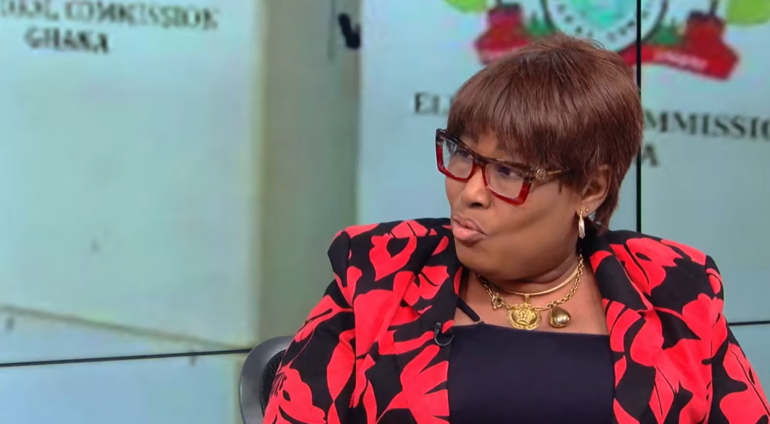
Former General Secretary of the Convention People’s Party (CPP), Nana Yaa Jantuah, has called out Multichoice Ghana, operators of DSTV and GOtv, demanding a drastic reduction in subscription prices. Her comments follow recent public backlash over high DSTV tariffs amid Ghana’s current economic hardship.
According to Ms. Jantuah, not only are the DSTV prices exorbitant, but the content offered on the platform is also outdated and does not justify the increasing fees subscribers are being charged monthly.
Speaking in a media interview on August 6, 2025, she emphasized that most Ghanaians are struggling to keep up with utility and food bills, and should not be burdened further with inflated entertainment costs — especially from foreign-owned entities.
“DSTV must reduce their prices because the content they are giving us is even outdated. We are paying for recycled shows and reruns that don’t reflect the amount being charged,” she stated.
“We’re being milked for nothing valuable”
Nana Yaa expressed concern that despite multiple calls from consumer rights advocates and civil society groups, Multichoice Ghana continues to increase its rates, citing operational costs and exchange rate fluctuations.
However, she believes this excuse is no longer valid.
“You can’t keep milking people when the value you give back is questionable. What new content do they even have? Ghanaian consumers are paying more and getting less. That’s not right,” she added.
Jantuah further stressed that the Communications Ministry, Parliament, and other regulatory bodies like the National Communications Authority (NCA) should step in immediately to compel DSTV to review its pricing structure in Ghana.
“Monopoly must end”
The vocal politician also accused DSTV of exploiting its monopoly position in Ghana’s pay-TV market, asserting that consumers deserve more competitive options.
“We need more players in this space so consumers can make choices. Right now, DSTV thinks they can do anything because they have a near-monopoly. That needs to change,” she said.
Her comments echo similar sentiments shared earlier this week by Hon. Sam George, MP for Ningo-Prampram, who warned that DSTV risks having its license suspended by August 7 if it fails to reduce its subscription prices in compliance with Ghanaian regulations.
Regulatory pressure mounts on DSTV
Hon. Sam George, who serves as the Ranking Member of Parliament’s Communications Committee, revealed that Multichoice Ghana has been under investigation for non-compliance with the Electronic Communications Act (2008), which mandates prior approval for price increases from the NCA.
According to him, DSTV increased its prices in Ghana without proper notification or authorization — a move that may lead to legal consequences.
“DSTV is not above the laws of Ghana. If they fail to reverse their recent price hikes or justify them through proper channels, their operations may be suspended. We are serious about consumer protection,” he warned.
The Ghanaian public has also taken to social media to express their dissatisfaction, with many sharing screenshots of recent price increases and questioning the relevance of paying for content that is freely available online or already outdated.
Calls for more local content
Beyond pricing, Nana Yaa Jantuah also urged DSTV to invest more in local Ghanaian content that reflects the culture, values, and stories of the people they serve.
“Enough with the South African soap operas and the same old international movies. We have talented content creators in Ghana. Why not promote them and give viewers something new and original?” she asked.
She proposed that at least 30% of all DSTV programming shown in Ghana should be reserved for Ghanaian-produced shows and films.
Conclusion
The call by Nana Yaa Jantuah adds to growing pressure on DSTV to not only reduce its pricing structure but also reassess the value it offers subscribers in Ghana. With public sentiment shifting and regulatory action looming, Multichoice Ghana may be forced to make significant changes in how it operates within the country — or risk losing its market dominance entirely.
Source: My News Ghana