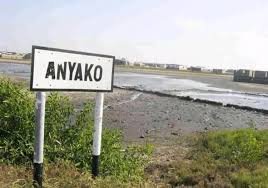
Petition Filed Over Anyako By-Election
The Anyako Electoral Area in the Keta Municipality of the Volta Region has become the latest flashpoint in Ghana’s democratic process, as a petition has been formally filed to challenge the outcome of the recently held by-election. The petition, lodged before the District Magistrate Court, questions the credibility of the electoral process and seeks to overturn the declared results.
According to the petitioners, several irregularities occurred during the by-election, including allegations of voter intimidation, improper handling of ballot papers, and the disenfranchisement of some eligible voters. The petitioners insist that these infractions significantly undermined the fairness of the poll, and therefore, the results announced by the Electoral Commission (EC) cannot stand unchallenged.
Background of the By-Election
The Anyako by-election was conducted following the vacancy created in the local assembly after the passing of the incumbent assembly member. As is customary under Ghana’s local governance framework, the Electoral Commission organized a by-election to fill the position, which attracted both independent aspirants and candidates backed by political parties.
While the EC declared a winner at the close of polls, the results immediately sparked controversy, with opposing camps claiming that the process was marred by irregularities. The filing of the petition has now set the stage for a legal showdown that could have significant implications for electoral accountability at the grassroots level.
Petitioners’ Demands
The petitioners are requesting that the court:
-
Annuls the results of the by-election due to alleged breaches of electoral laws.
-
Orders a fresh election in the Anyako Electoral Area.
-
Investigates reports of electoral misconduct by both electoral officers and security personnel.
In their view, these measures are necessary to restore confidence in the democratic process and ensure that the true will of the people of Anyako is reflected.
Response from the Electoral Commission
The Electoral Commission has yet to issue an official response to the petition but has defended the integrity of the poll in previous statements. The EC maintains that the by-election was conducted in line with Ghana’s electoral laws and guidelines, and that any issues raised were addressed promptly at the polling stations.
However, election observers, community leaders, and civil society groups are closely monitoring the situation. Many argue that the case provides an opportunity for Ghana’s judiciary to reinforce its role as an impartial arbiter in electoral disputes, particularly at the local level where political tensions can easily escalate.
Political Reactions
Although local government elections in Ghana are officially non-partisan, political parties often back candidates indirectly. Following the petition, rival party sympathizers have taken to social media to express divergent opinions. While some accuse the EC of bias and incompetence, others argue that the petition is merely a tactic by the losing side to delay governance in the electoral area.
Political analysts note that the case underscores a broader trend in Ghanaian politics where disputes increasingly end up in court. This, they argue, is a sign of deepening democratic maturity, provided the judiciary handles such petitions with transparency and fairness.
Implications for Ghana’s Democracy
The petition filed in the Anyako Electoral Area may appear to be a localized dispute, but its implications stretch beyond the community. Grassroots governance forms the bedrock of Ghana’s democracy, and any perception of electoral malpractice at this level can erode public trust in the broader electoral system.
Observers warn that if such petitions are not resolved fairly and promptly, voter apathy could worsen in future local government elections. On the other hand, a fair resolution that upholds electoral justice could strengthen confidence in both the EC and the courts.
Looking Ahead
The case is expected to be heard in the coming weeks, and residents of Anyako — along with political observers nationwide — will be keenly following proceedings. The outcome will not only determine who represents the electoral area at the local assembly but also set an important precedent for how electoral disputes are handled at the grassroots level in Ghana.
For now, the petition adds another layer to Ghana’s long history of fiercely contested elections, reflecting both the vibrancy and the challenges of its democratic process.
Sources: My News Ghana