
Ghana’s renewable water supply per person is falling at an alarming rate, raising fears that the country may soon face severe water restrictions if urgent measures are not implemented.
This warning was issued by Dr. Mawuli Lumor, Director of Policy, Planning, Research, Monitoring and Evaluation at the Water Resources Commission (WRC), during an appearance on The Point of View on Channel One TV on Wednesday, October 1, 2025.
Dr. Lumor explained that the Commission calculates the nation’s water stress levels by dividing Ghana’s annual renewable water supply—estimated at 53 billion cubic meters—by the total population. While the renewable water supply has remained constant, Ghana’s population continues to grow, significantly reducing per capita availability.
“In 2016, Ghana’s renewable water per person was about 1,900 cubic meters. Today, it has dropped to around 1,500 cubic meters—a significant decline in less than a decade,” he noted.
He stressed that the figure includes all renewable water, even heavily polluted sources, meaning the actual usable supply is much lower.
“So by nature, we are already getting less water, and our activities are polluting what we’re already getting. That means we are moving towards dangerous grounds,” Dr. Lumor warned.
He cautioned that if the trend persists, Ghana may have to adopt drastic measures similar to those taken in South Africa, where the government imposed strict limits on household water use in certain regions to avert a crisis.
“Possibly, as happened in South Africa about two or three years ago, government will have to step in and limit the use of water for particular locations considering the stress levels,” he added.
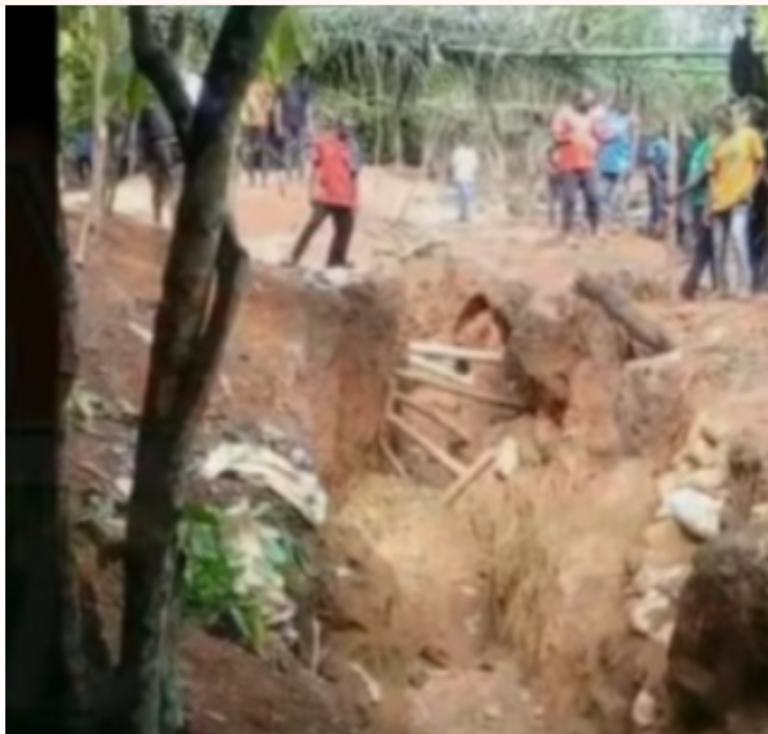
The WRC has consistently warned that pollution from illegal mining, industrial waste, and poor sanitation practices are compounding the challenge, further shrinking Ghana’s safe water reserves.
Source – My News Ghana