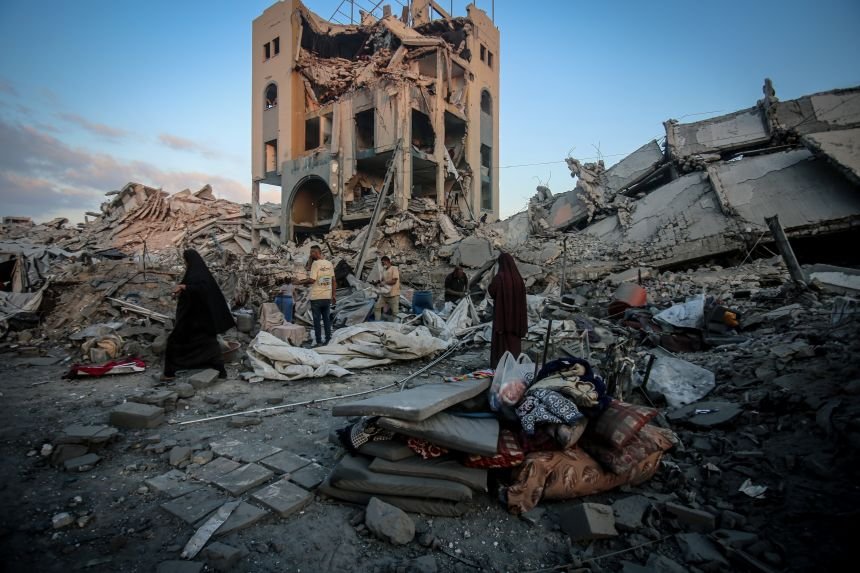
The killing of Palestinian journalists and human rights observers in Gaza has once again raised urgent questions about press freedom, human rights, and the safety of those who risk their lives to report from conflict zones. In the latest incident, Israel has been accused of deliberately targeting individuals described as the “eyes and ears of the world to Gaza,” silencing voices that document the harsh realities of life under siege.
According to multiple international watchdogs, the victim—an experienced journalist—was among the few remaining voices providing unfiltered updates from the war-torn enclave. His reporting had offered critical insight into the human toll of the ongoing conflict, capturing stories that would otherwise remain untold. With his death, advocates fear that the already scarce flow of reliable information from Gaza will be further choked.
Silencing the Witnesses
Journalists in Gaza face extraordinary risks. In addition to bombardments, they contend with resource shortages, communications blackouts, and constant threats to their safety. International media groups have described the killing as part of a “systematic assault” on independent reporting in the Palestinian territories.
“This is not just the loss of one life,” said a spokesperson for the Committee to Protect Journalists (CPJ). “It is the silencing of an entire narrative—one that challenges official accounts and sheds light on civilian suffering.”
Rights groups argue that such actions violate international humanitarian law, which explicitly protects journalists and media workers in conflict zones. They also note that the killing comes at a time when global attention on Gaza is waning, making independent reporting more vital than ever.
Global Silence Draws Criticism
Perhaps equally troubling to many observers is the muted response from the international community. While some nations have called for an investigation, there has been no coordinated diplomatic action or sanctions related to the incident. Critics say this silence emboldens violations of press freedoms and sets a dangerous precedent.
“Journalists are not combatants. When the world stays silent about their killings, it gives a green light for more atrocities,” said a UN human rights expert.
Social media reactions have reflected a growing frustration among global citizens, with hashtags like #ProtectJournalists and #GazaUnderAttack trending in the hours following the news.
The Broader Human Impact
The killing has reignited debates about the role of journalism in shaping public understanding of conflicts. Without independent witnesses, narratives become heavily controlled by those in power, often leading to misinformation or the erasure of critical perspectives.
Colleagues of the slain journalist have vowed to continue his work despite the risks. “We will not be silenced,” said one reporter still operating in Gaza. “The world needs to know what is happening here, even if it costs us our lives.”
Calls for Accountability
International organizations, including Reporters Without Borders and Amnesty International, are calling for a transparent, independent investigation into the killing. They urge the International Criminal Court (ICC) to examine whether it constitutes a war crime under international law.
As pressure mounts, observers note that the incident could become a defining moment in the global conversation about the protection of journalists. Whether the world chooses to act—or remain silent—will determine the future of press freedom in conflict zones.
Source: My News Ghana