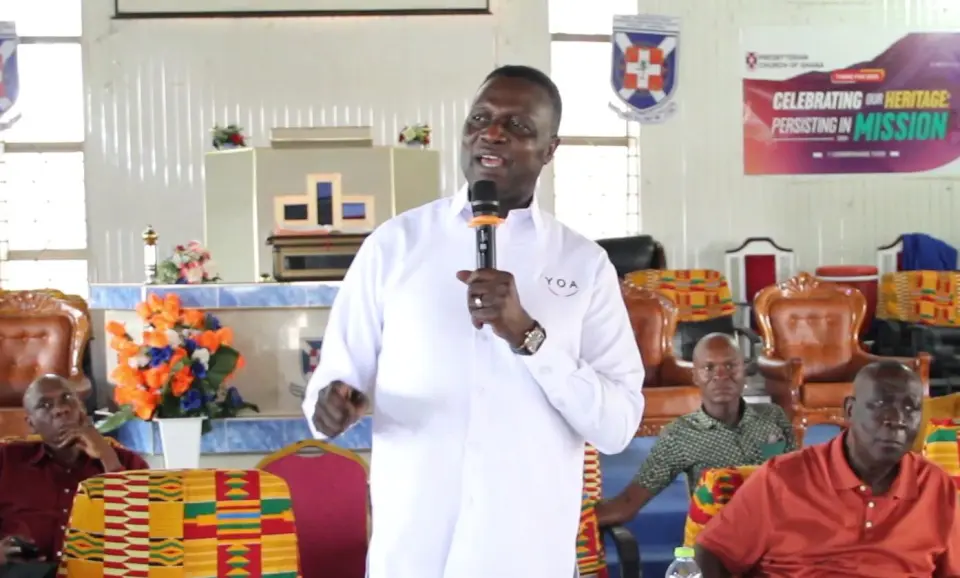
Accra, Ghana — July 29, 2025 – The Institute of Public Policy and Accountability (IPPA) has described the 2025 Mid-Year Budget Review as promising, highlighting notable signs of economic recovery while urging the government to intensify reforms in debt management, investor confidence, and revenue mobilization.
According to IPPA’s Executive Director, Paul Twum-Barimah, macroeconomic indicators presented by Finance Minister Dr. Cassiel Ato Forson—alongside assessments by international bodies such as the IMF, Barclays PLC, Standard Bank, and Goldman Sachs—point to Ghana’s economy being back on track.
Positive Growth, Falling Inflation, and Cedi Stability
Ghana’s economy grew by 5.3% in Q1 2025, compared to 4.9% in Q1 2024, according to the Ghana Statistical Service. Inflation also declined sharply from 23.8% in December 2024 to 13.7% in June 2025, while the Ghana Cedi gained nearly 30% year-to-date, ranking among the top-performing currencies globally.
The institute also noted that interest rates have fallen by 1300 basis points, bringing the benchmark rate to 14.7%. This macroeconomic improvement has helped Ghana secure a credit rating upgrade from Fitch, with Moody’s and S&P expected to follow suit.
Debt Concerns Still Loom
Despite the encouraging numbers, IPPA expressed caution over Ghana’s debt sustainability. As of end-June 2025, Ghana’s public debt stood at GH¢613 billion, with large repayments due between 2026 and 2028. IPPA urged the government to accelerate the completion of its debt restructuring program, especially with bilateral creditors and Eurobond holders.
They also warned against excessive domestic borrowing, which risks crowding out private sector investment. The institute called for the establishment of two dedicated sinking funds to prepare for upcoming debt obligations.
Banking Sector, Investor Confidence Need Strengthening
IPPA highlighted challenges within the banking sector, including a high Non-Performing Loan (NPL) rate of 21%, and called on the Ministry of Finance and the Bank of Ghana to collaborate on improving the cost-efficiency of the financial system. Lower credit costs, they argue, would boost investor confidence and reduce barriers for businesses.
Investor sentiment has already shown signs of optimism, with 19 out of 36 listed companies recording gains on the Ghana Stock Exchange so far in 2025. The GSE-CI index has surged 31.67%, while bond market activity continues to improve.
Revenue and Expenditure: More Work Needed
Despite improvements in the fiscal deficit—from 4.1% of GDP to 3.8%—revenue collection continues to underperform. IPPA blamed leakages at Tema Port, land border smuggling, and manual cash transactions for these shortfalls.
They welcomed the deployment of Artificial Intelligence at ports but emphasized the need for stricter enforcement and complete digitalization of all payment systems. On the expenditure side, the government overspent GH¢1.3 billion on wages and salaries in the first half of 2025—an issue IPPA believes can be addressed by eliminating ghost names from the payroll.
Calls for Prioritization of Road Projects and Social Investments
IPPA acknowledged the government’s plans to expand road infrastructure but urged prioritization of ongoing projects started by the previous administration before launching new ones.
The institute also endorsed government initiatives like the University of Environment and Sustainable Development in Bunso and the creation of nine new TVET centers, noting that such investments can spur long-term economic transformation.
Macroeconomic Targets Achievable—If Risks Are Managed
IPPA believes Ghana’s macroeconomic targets for 2025—including 4.0% overall GDP growth, 11.9% end-year inflation, and three months of import cover—are attainable if external shocks are managed effectively. They urged the country to diversify exports beyond gold, cocoa, and oil, and recommended scaling up trade in shea nut, oil palm, and other extractives.
Furthermore, they encouraged the Bank of Ghana to strengthen its gold purchase program and allow market forces to determine the USD/Cedi exchange rate. They noted that part of the cedi’s recent strength was due to a weakening US dollar globally.
Final Thoughts: Build Indigenous Business Giants
In conclusion, IPPA called on Ghana to create an enabling environment for indigenous entrepreneurs to build businesses that can scale across Africa and compete globally—taking inspiration from Nigerian business successes like Dangote, UBA, and Glo.
“This must be a deliberate national policy devoid of partisan politics,” IPPA stressed.
Source: My News Ghana