Trump Targets Ghana, Nigeria in Sweeping 15% Tariff Crackdown
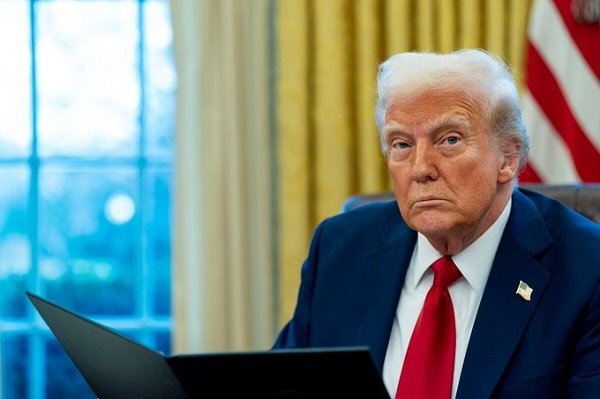
Accra, Ghana – August 1, 2025 — Former U.S. President Donald Trump has triggered panic in trade circles with the issuance of an Executive Order imposing a 15% tariff on imports from Ghana, Nigeria, and several other African nations, effective August 7.
Key Insights & Impacts
-
The new tariff is part of a broad recalibration of U.S. trade policy affecting roughly 68 countries and territories with duty rates ranging from 10% to 41%.
-
Most African nations—including Ghana, Nigeria, Malawi, Zambia, Zimbabwe, Uganda, Mozambique, Lesotho, Equatorial Guinea, and others—fall under a 15% tier .
-
South Africa faces steeper duties at 30%, while Libya and Tunisia are subject to 25–30% tariffs Daily Post Nigeria.
Why It Matters to Ghana & the Region
-
Ghana and Nigeria—both eligible under the African Growth and Opportunity Act (AGOA)—now face new trade barriers that threaten growing export sectors like cocoa, textiles, and manufactured goods .
-
The tariff escalation is expected to push African exports to the U.S. into decline, while encouraging a shift toward alternative markets such as Asia, Europe, or South America AP News+4nairametrics.com+4Businessday NG+4.
Global Ramifications
-
The 15% duty on Ghana and Nigeria is part of a uniform baseline rate applied to countries with which the U.S. has a trade deficit; goods subject to transshipment may incur additional penalties up to 40% .
-
The expanded tariff structure includes up to 35% on Canada, 25% on India, 20% on Taiwan, and up to 39% on Switzerland
Expert Commentary & Reactions
-
Analysts warn that although Ghana’s exports to the U.S. currently represent a modest share of trade, the new tariff regime could weaken long-term competitiveness and disrupt strategic growth in export-focused sectors nairametrics.com.
-
In South Africa, the government has already activated an Export Support Desk to help affected exporters identify new markets and mitigate potential job losses in its automotive and agricultural industries .
Implications for Ghana
-
Businesses trading with the U.S. now face increased costs, which could dampen export growth—particularly in sectors like cocoa, textiles, and agro-processed goods.
-
This development highlights the perils of over-reliance on a single trade partner, and may accelerate Ghana’s pivot to strengthened ties with the EU, China, and regional markets.
-
Economists stress the need for strategic diversification of markets and robust support mechanisms for affected exporters.